5 benefits of importing hemp clothing for your UK business. It's a sustainable and organic fabric, it supports the organic clothing industry, it's durable, versatile and on trend.


Been wondering if hemp is right for your business? Durable, versatile and so on trend, hemp fabric has the potential to be the sustainable fabric heavyweight in the coming years.
About 67% of us are taking our wardrobes 'green', naming sustainable practices as what inspires us to add clothing to our cart. And for good reason! The development of clothing (and footwear) contributes a whopping 10% of CO emissions and uses over 79 billion cubic metres of water each year. Switching to sustainable fabrics is only part of what will contribute to a more sustainable global fashion industry. So, let's look at the top 5 hemp clothing benefits, for you, your planet and your business.
What is hemp?
Sorry, Hemp won't get you high.
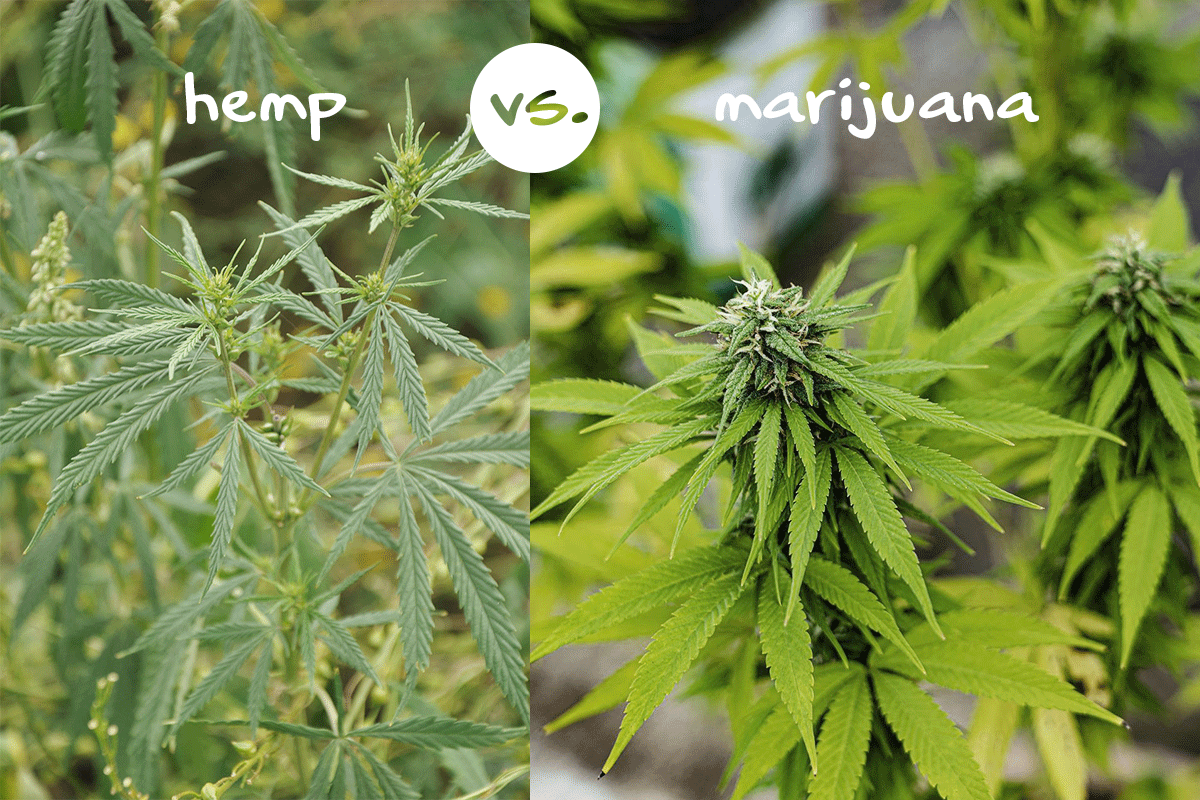
For years, hemp production faced significant legal obstacles. Largely, this was due to the belief the growth of commercial hemp for textile production would also lead to the growth of marijuana (the plant that gets you high), despite the two being genetically different! The hemp plant your clothes are made from contains around 0.05% TCH; Marijuana by comparison has between 3–5% THC.
The useful bit of the hemp plant comes from the stalk, as this is where the fibres for clothes come from. It's been slow-going changing attitudes around the production of commercial hemp, but momentum is building fast.
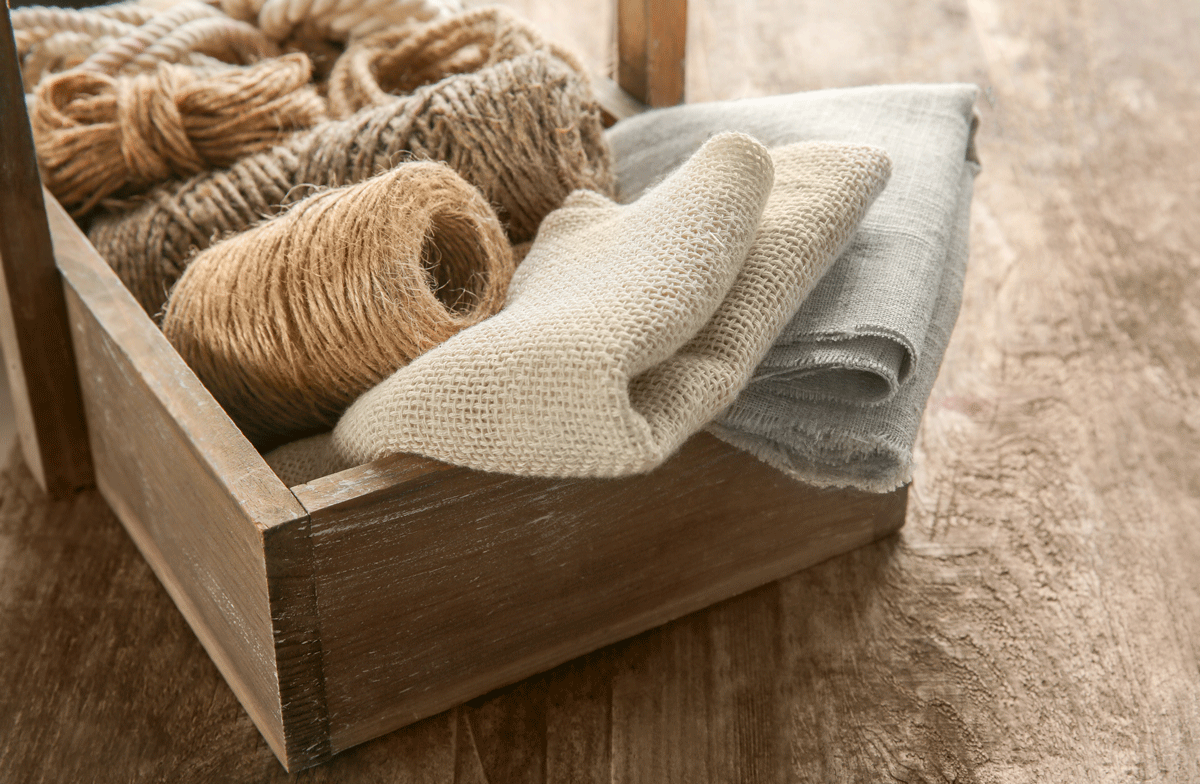
Plastic and chemically developed fabrics, such as polyester, nylon and viscose are losing popularity, as a growing consumer consciousness turns toward sustainability. However, there is often confusion between what makes a material organic vs. natural.
Natural fabric is any that comes from 'nature'; for example plant-based fabrics such as cotton, bamboo or hemp, or animal-based fabrics such as wool, cashmere and alpaca. In order to be considered 'organic', no chemicals or plastics should be added throughout the process. This means some 'natural' fabrics, such as bamboo clothing, cannot be considered organic, as it requires a chemical process to become fabric (often re-labelled as Viscose).
Organic Plant-based Fabrics: Organic Hemp, Organic Cotton, Recycled Cotton, Organic Linen.
Organic Animal-based Fabrics: Sheep Wool, Merino Wool, Alpaca Wool, Cashmere, Camel, Down, Silk.
Note that 'Cotton' does not appear on our organic list. A single cotton t-shirt uses a whopping 9,464 litres of water to be grown and manufactured. Inorganic cotton production is one of the most ecologically damaging processes in the world; using 16% of the world's insecticides and $2 billion in pesticides each year. By comparison, hemp's impact on the environment is minimal — it requires less land, less water and no pesticides, only takes a few months to mature, and can even restore the soil it is grown within.
It also generates less waste and is more durable than most other fabrics.
Cotton is cheaper to make than hemp fabric. (For now)
Non-organic cotton can cost as little as $2 per kg, whereas 'cottonised' hemp starts at $4 per kg. While the cost of land, water and chemicals to produce hemp is far lower than cotton, cotton's scale of production is much larger (92% of natural fibres come from cotton, compared to hemp's 0.5%). Hemp clothing manufacturers also require more time to transform the raw material into fibres.
Importing hemp clothing requires more initial investment than other clothing options. But the commercial production of hemp generates an environmentally sound alternative to the likes of cotton, provides farmers safer jobs away from dangerous pesticides, and is linked with FairTrade agreements across the globe.
Hemp is a super-fabric! It is the strongest natural fibre, is resistant to UV light, mould and mildew and has antibacterial properties. While the lifespan of a cotton tee often taps out around the 10 year mark, hemp t-shirts can survive 30 or 40 years of regular use. With trends leaning towards slow fashion and durability — longevity is key.
Jeans, jackets, t-shirts, socks, shorts, skirts; summer and springtime dresses to durable workwear tees and jackets — importing hemp fabric for clothing has an enormous range of possibilities.
Not looking to import hemp clothing? What about hemp shoes, hemp blankets, hemp bracelets? Or even hemp paper, tea bags, hemp cosmetics or building materials!
Henry Ford even once made a car partially from hemp.
If you're looking to switch to organic and sustainable products, it's worth considering if hemp has a place in your product range.
Sustainable fashion is serious business!
UK consumers are jumping on the ethical and organic fashion trends; with a sharp rise in recycling and renting boutiques, op-shopping, researching brands, scepticism about 'greenwashing' and a growing recognition of independent designers and brands. Developing a brand consumers can trust is a key, long-term strategy.
At Epic Sourcing UK we think a lot about how we can contribute to making fashion more sustainable. If you're in a position where you can invest in the future of hemp clothing, we think you should — for the sake of you, your business and your planet.
Certifications & Standards to Search For: USDA-Certified Organic, Global Organic Textile Standard (GOTS), Organic Content Standard (OCS), Oeko-Tex 100, and Bluesign.